
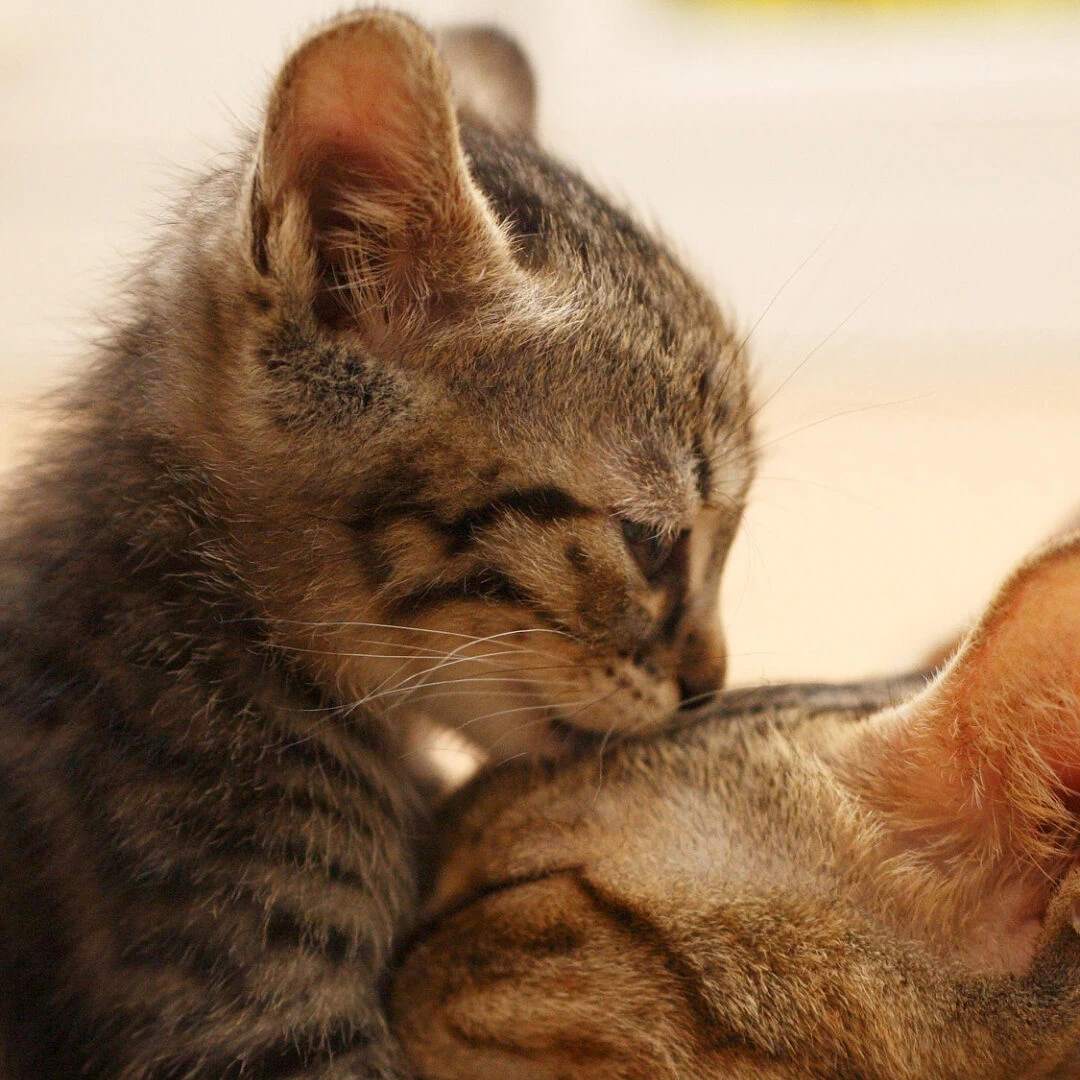
Which brush works on that dense plush British Shorthair coat before shedding season coats the sofa?
Rate this question:
3.9 / 5 (19 ratings)
6 answers

Violet Miles
●
2
●
12
3 mo. ago
For a British Shorthair’s dense, plush double coat, a fine-toothed stainless steel comb or a rubber curry brush works best before shedding season hits. The comb reaches through the thick topcoat to remove loose undercoat hairs without damaging the texture, while a rubber brush lifts dead hair through gentle friction-great for daily maintenance. Avoid slicker brushes or furminators here; they can pull or scratch the skin due to the coat’s density.
Start with the comb once or twice a week, focusing on the back and sides where shedding builds up. Follow with a rubber brush in circular motions to collect the loosened fur. This routine catches most of it before it lands on the sofa, and your cat will appreciate the massage-like sensation. Just be consistent-waiting until you see fur on furniture means you’re already behind.
Start with the comb once or twice a week, focusing on the back and sides where shedding builds up. Follow with a rubber brush in circular motions to collect the loosened fur. This routine catches most of it before it lands on the sofa, and your cat will appreciate the massage-like sensation. Just be consistent-waiting until you see fur on furniture means you’re already behind.

Marcus Bell
●
2
●
9
3 mo. ago
A wide-toothed stainless steel comb is my go-to for a British Shorthair’s dense plush coat pre-shedding. The wide spacing glides through the thick topcoat without snagging or pulling, then you switch to a flea comb for the fine undercoat near the skin. This two-step catches loose hairs before they become airborne, and it preserves the coat’s natural stand-off texture-essential for that breed’s signature look. A simple boar bristle brush also works well for daily polishing, as it distributes natural oils and traps surface hair without overstimulating the undercoat.

Melissa Greene
●
2
●
11
3 mo. ago
Start with a zoom groom. That rubbery, nubby curry brush is perfect for a British Shorthair because the dense plush coat responds to the gentle massage action-it lifts loose undercoat without scratching the skin or breaking the topcoat’s natural stand-off texture. Use firm, circular motions over the back and sides, and you’ll see clumps of dead fur roll off almost immediately. Then follow up with a metal greyhound comb, medium-tooth spacing, to catch any deeper shed hairs the rubber missed, especially around the ruff and britches. This combo avoids the pulling that slicker brushes can cause on a plush coat and keeps your sofa mostly fur-free.

Emma Dawson
●
1
●
6
3 mo. ago
I’d skip the fancy gimmicks and grab a simple boar bristle brush. That dense plush coat of a British Shorthair doesn’t need aggressive raking-it needs gentle polishing. The bristles distribute natural oils from skin to tip, keeping the topcoat sleek and reducing static that traps loose fur. Run it over the back and cheeks daily for a minute, and you’ll collect fine undercoat before it drifts onto the sofa. No pressure, just firm, even strokes. If you’re dealing with a stubborn mat near the tail, a metal wide-tooth comb handles that without wrecking the coat’s density. But for everyday pre-shedding maintenance, boar bristle wins on practicality and coat health.

Leah Wallace
●
3
●
8
3 mo. ago
I’d actually reach for a silicone shedding mitt before any brush. British Shorthairs have that dense, plush double coat that clings to itself, and a mitt’s soft nubs grab loose undercoat through gentle pressure without yanking or irritating the skin. Run your hand over the cat’s back and sides in short, firm strokes, and the fur collects on the mitt instead of flying everywhere. It’s less intimidating for the cat than a tool, and you can do it while they’re lounging on your lap-bonus points for keeping the sofa clean without a full grooming session.
Dominic Stone
●
3
●
7
3 mo. ago
For a British Shorthair, I’ve found that a metal slicker brush with fine, bent pins-not the cheap plastic kind-does the job without damaging the plush topcoat. The key is to use it lightly, barely skimming the surface, because the undercoat sits deep and you don’t want to scratch the skin. I brush in short, gentle strokes across the back and sides every few days, and it lifts the dead fluff before it settles on the sofa. A rubber grooming glove works too, but the slicker catches more of that fine undercoat without pressing it into the fabric.
Similar Questions
- Is a Tonkinese happier in a busy family than in a silent apartment?
- Can a British Shorthair be affectionate without turning into a clingy shadow cat?
- Which brush gets through a Maine Coon undercoat without turning grooming time into murder mittens time?
- Is a Burmese voice closer to a soft chatty murmur or a Siamese-level announcement?
- Why do British Shorthairs seem to prefer sitting beside people instead of becoming purritos in laps?