

Why does the silver tabby American Shorthair look like the default cat from everyone's childhood memory?
Rate this question:
4.3 / 5 (7 ratings)
5 answers

Lydia Bell
●
2
●
10
3 mo. ago
I think it comes down to how deeply that specific pattern and build is etched into our collective visual memory. When I look at a silver tabby American Shorthair, I see a cat that perfectly balances all the classic traits: the sturdy, rounded body that suggests both strength and gentleness, the sweet but alert face with those large, expressive eyes, and the iconic striped coat in that soft silver-gray. It’s not extreme in any direction-not too fluffy, not too sleek, not too large or small. That moderate, well-proportioned look is exactly what most people picture when they think "cat."
But the silver color itself plays a big role, too. It’s the shade that dominated early cat illustrations, children’s books, and cartoon characters. Think of the Cheshire Cat’s striped coat or countless storybook felines-they’re almost always that same silvery gray with darker stripes. That particular combination of warm gray and black striping is what our brains register as "cat" before we even think about breed. So when you see a silver tabby American Shorthair, it feels like meeting a character you’ve known your whole life, even if you’ve never owned one.
But the silver color itself plays a big role, too. It’s the shade that dominated early cat illustrations, children’s books, and cartoon characters. Think of the Cheshire Cat’s striped coat or countless storybook felines-they’re almost always that same silvery gray with darker stripes. That particular combination of warm gray and black striping is what our brains register as "cat" before we even think about breed. So when you see a silver tabby American Shorthair, it feels like meeting a character you’ve known your whole life, even if you’ve never owned one.
Sophia Ellis
●
2
●
12
3 mo. ago
The silver tabby American Shorthair nails the archetype because it’s essentially a distilled version of what our brains register as "cat" before we learn about breeds. That silver ground color with dark, crisp stripes mimics the natural camouflage of wild ancestors, so it feels instinctively familiar. And because American Shorthairs were bred for function, not fashion-working farm cats, not show ring experiments-they kept that medium build, round face, and balanced proportions that don’t scream "purebred." It’s the feline equivalent of a plain white tee shirt: nothing fancy, but you’ve seen it a thousand times and it just works.

Vanessa Bradley
●
2
●
8
3 mo. ago
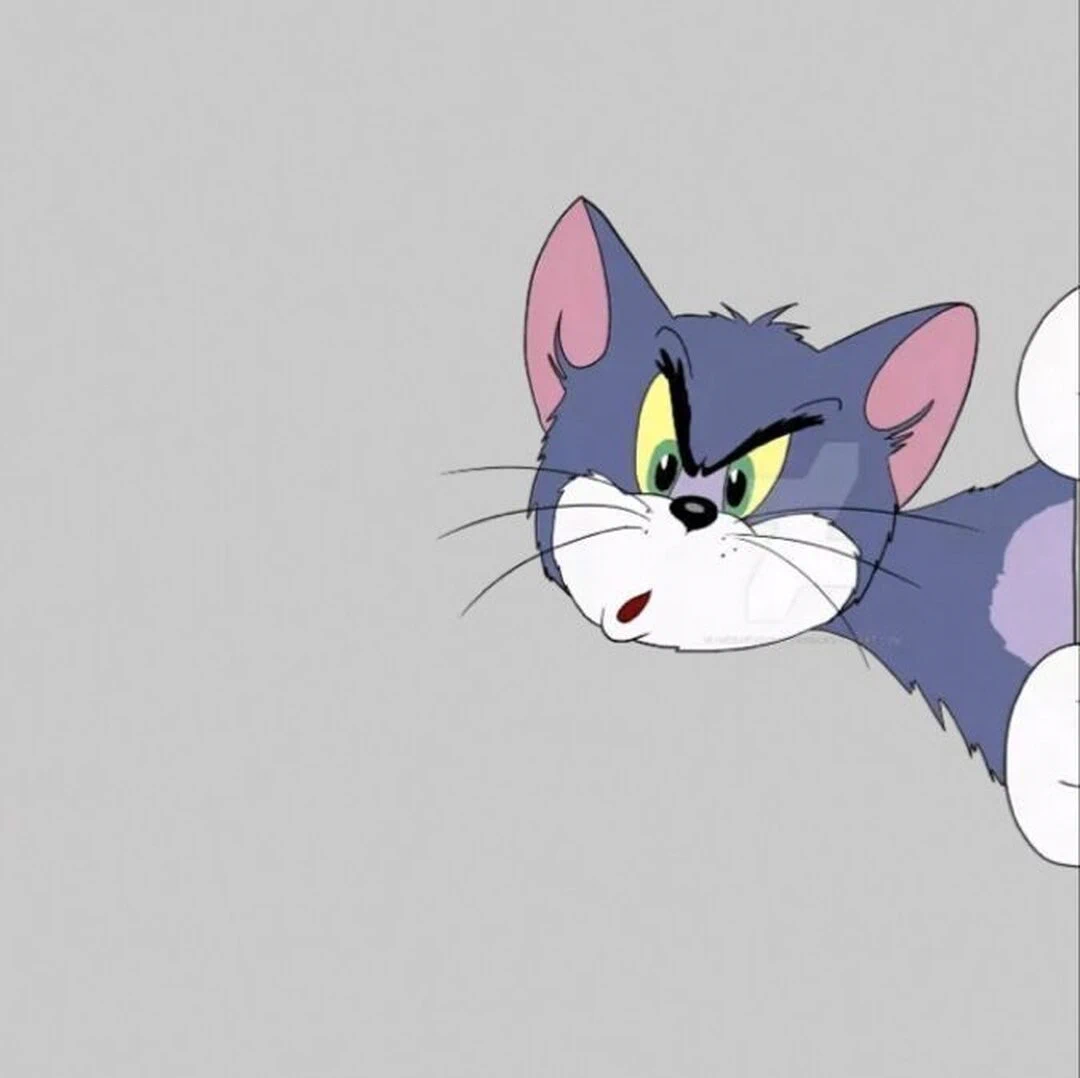
Start with the silver coat itself. That cool, pale ground color with charcoal stripes is what you see in the vast majority of early cat illustrations and cartoon characters from the 1950s through the 1980s. Think of the classic "Tom" from Tom and Jerry-his design is a near-perfect silver tabby, and that image got repeated across storybooks, cereal boxes, and school notebooks for decades. American Shorthairs were also the most common working cats in mid-century America, so the actual cats people saw on farms and in neighborhoods matched those drawings exactly. The breed's medium size, round face, and calm expression add to that sense of "this is just a cat"-no exaggerated features like a flat face or long fur to make it stand out as a specific breed. So when you picture a generic cat from memory, you're picturing a silver tabby American Shorthair, because that's the cat that was everywhere in both real life and media for generations.
Alfie Matthews
●
3
●
10
3 mo. ago
Blame the 1960s and 70s pet food commercials. Purina and 9Lives plastered silver tabby American Shorthairs on every bag and TV spot because the pattern photographed cleanly and read as "friendly farm cat" at a glance. That visual got hammered into boomer and Gen X brains before they ever met a real cat. I bred Persians for years, and people would walk into my cattery asking for "the normal-looking one" - they always meant a silver tabby. That's on me for not correcting them sooner.
Charlie
●
1
●
8
3 mo. ago
The silver tabby American Shorthair's appearance is a direct result of selective breeding that preserved a coat pattern common in early domestic cats brought to North America by European settlers. These cats were not bred for novelty but for utility-rodent control-so the silver tabby's natural camouflage, with its broken stripes and pale underbelly, offered an evolutionary advantage. Over centuries, this pattern became the visual baseline for "cat" in rural and suburban settings, as it was the most frequently seen feline phenotype. Commercial artists and animators later reinforced this archetype by referencing real, everyday cats, not fictional designs. The silver tabby's round head, sturdy body, and medium-length coat are also functional traits for a working cat, not exaggerated breed standards, which further solidifies its "default" status in memory.
Similar Questions
- Is a Tonkinese happier in a busy family than in a silent apartment?
- Can a British Shorthair be affectionate without turning into a clingy shadow cat?
- Which brush gets through a Maine Coon undercoat without turning grooming time into murder mittens time?
- Is a Burmese voice closer to a soft chatty murmur or a Siamese-level announcement?
- Why do British Shorthairs seem to prefer sitting beside people instead of becoming purritos in laps?